33 AD
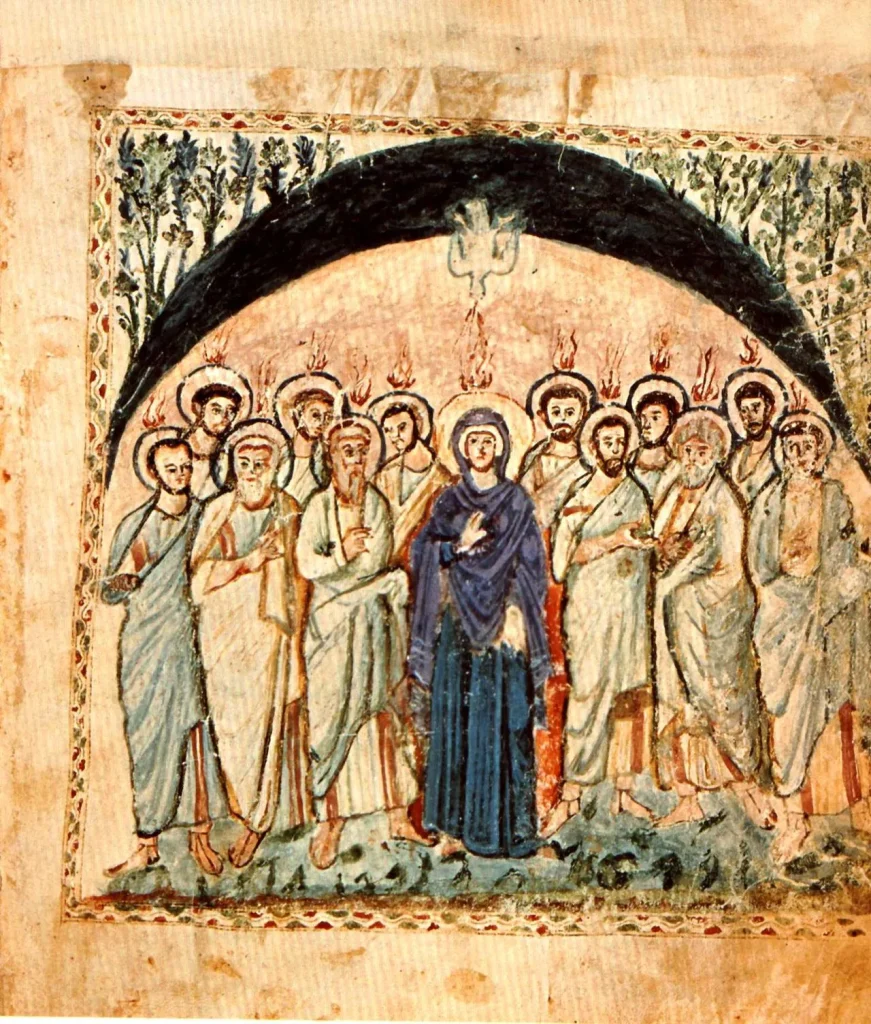
The Coming of the Holy Spirit at Pentecost
The Church is born in 33AD on the Day of Pentecost as recorded in the book of Acts. The Holy Spirit descends upon the apostles in Jerusalem. This is the start of the visible Church’s public mission through the apostles.
30s–60s
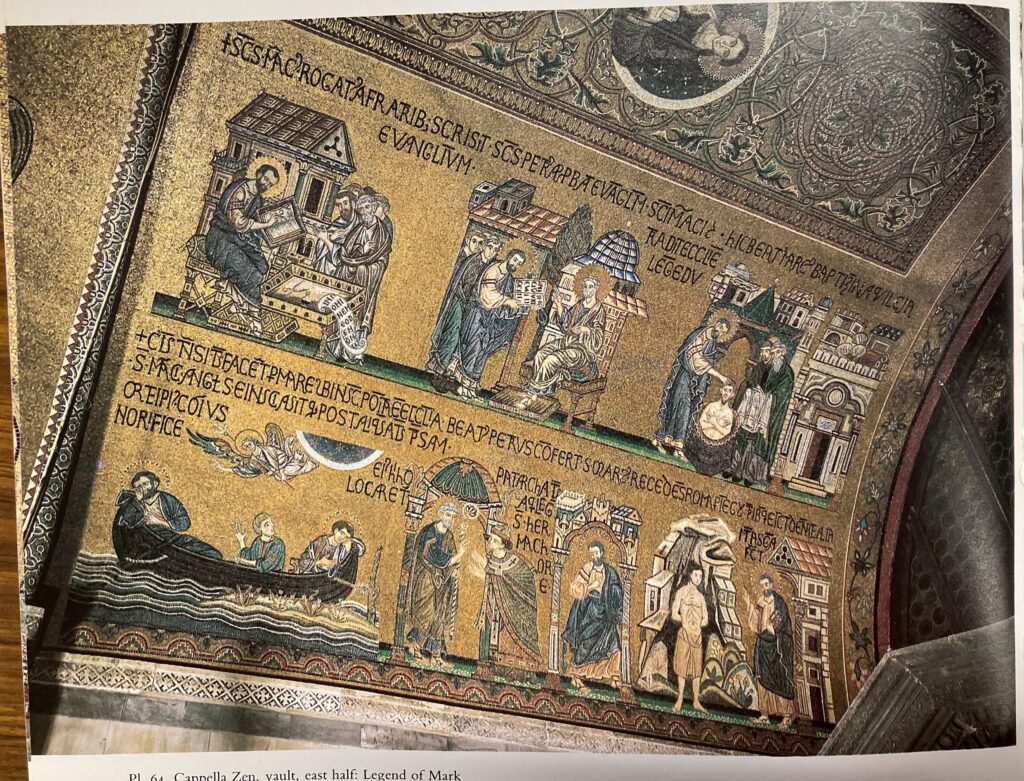
The Apostles Preach to the Nations
The apostles spread the Gospel throughout Jerusalem, Antioch, Alexandria, Rome, Asia Minor, Greece, Persia, India, and beyond. The followers of Christ were first called Christians at Antioch, and the gospels that would be written were delivered through oral tradition. Christianity was an illegal sect and eucharistic gatherings occurred at homes.
c. 49
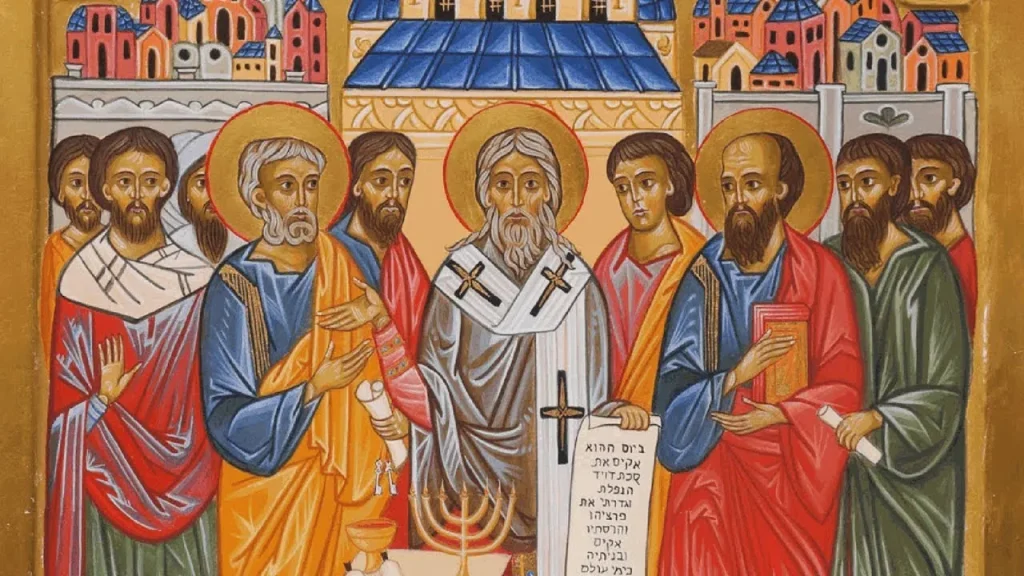
The Council of Jerusalem Convened
As recorded in the Book of Acts, Chapter 15. The apostles meet to resolve the question of Gentile converts and the Mosaic Law. This becomes the biblical prototype of conciliar decision-making.
60s–90s
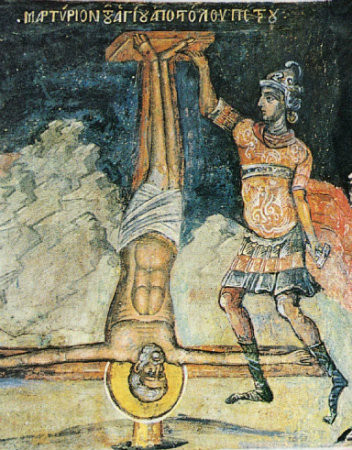
Apostolic Martyrdom and Episcopal Succession
Peter, Paul, James, and others are martyred. The Church continues through bishops, presbyters, and deacons.
c. 70
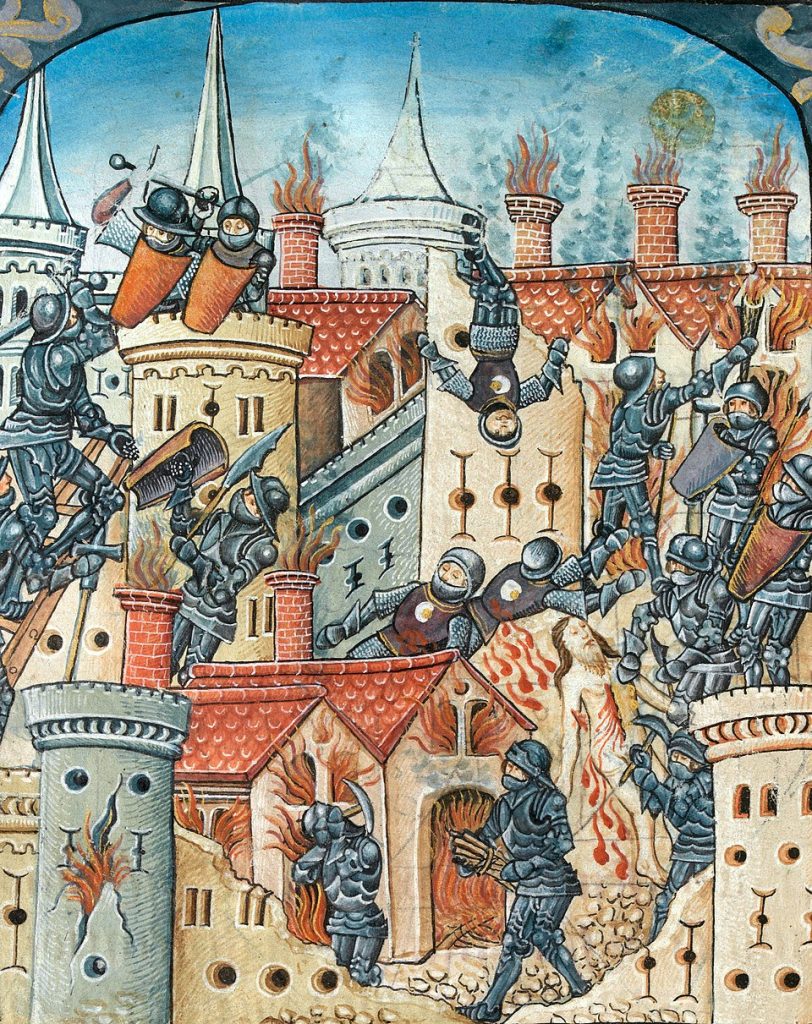
The Destruction of Jerusalem
Jerusalem is devastated by Rome. The Christian center of gravity gradually shifts toward Antioch, Alexandria, Rome, and later Constantinople.
100s
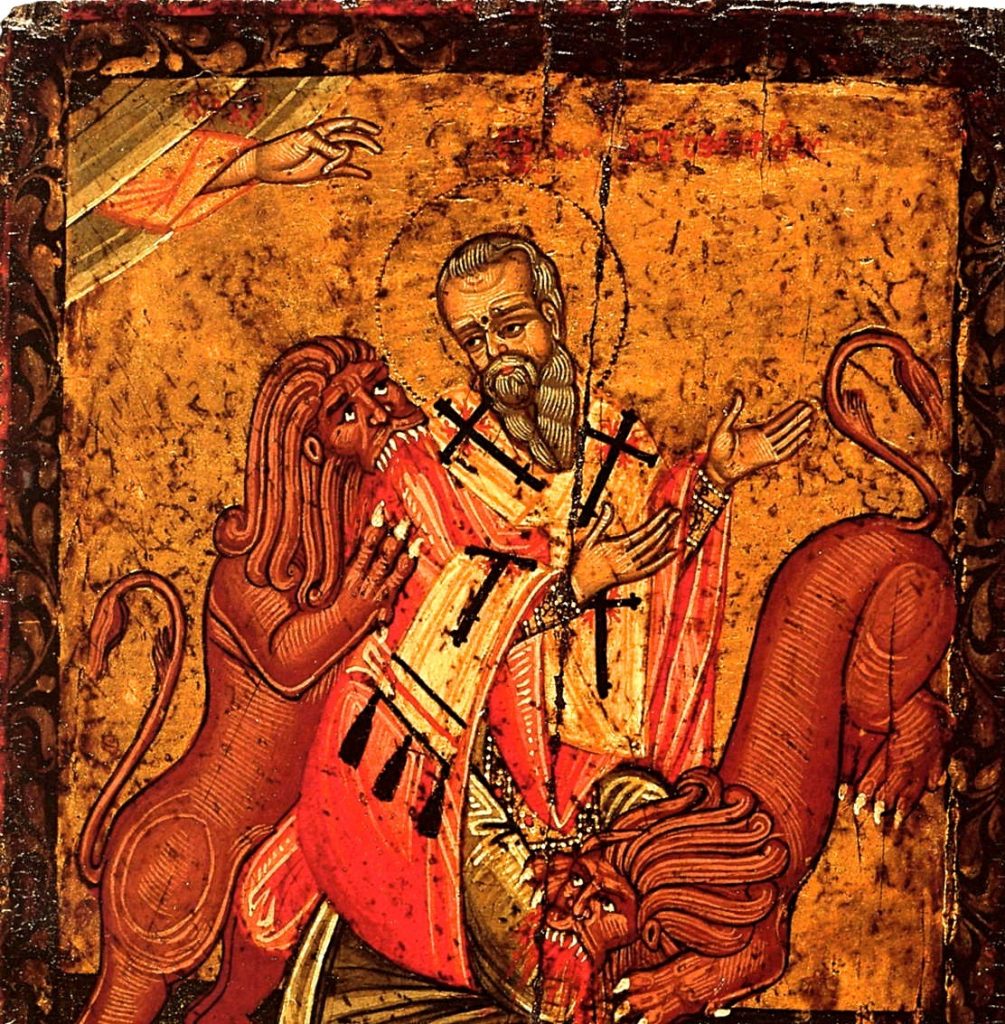
Early Church Fathers
Ignatius of Antioch, Polycarp, Justin Martyr, Irenaeus, Clement of Alexandria, and others defend apostolic faith, episcopal unity, the Eucharist, and the rule of faith.
c. 150–250
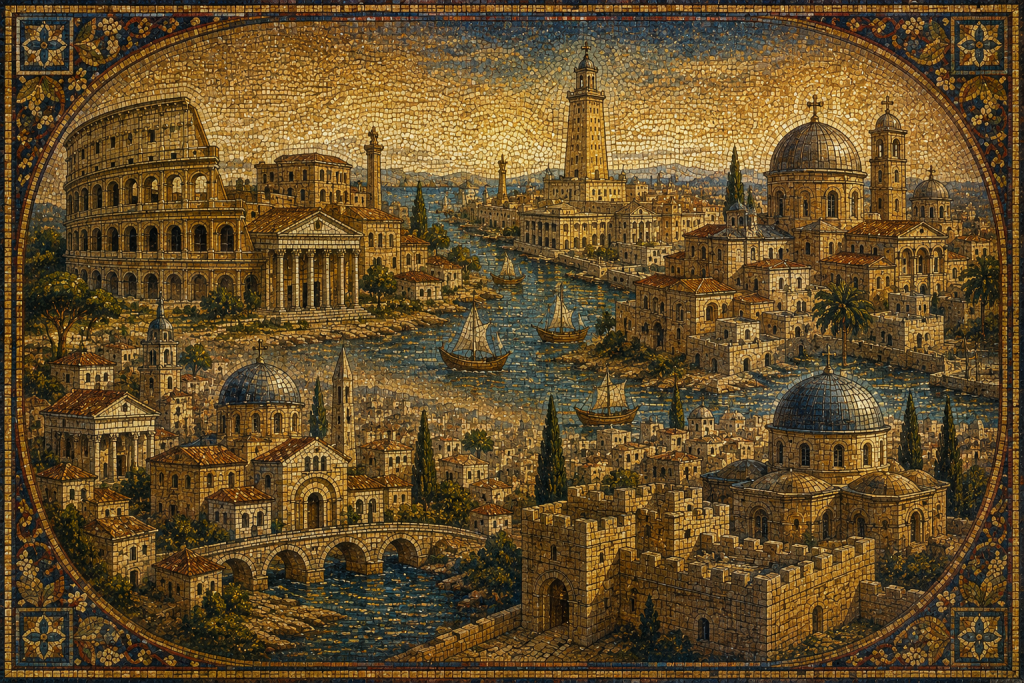
Growth of Major Sees
Rome, Alexandria, Antioch, and Jerusalem become major apostolic centers. Alexandria becomes especially important for theology and biblical interpretation.
250s–313
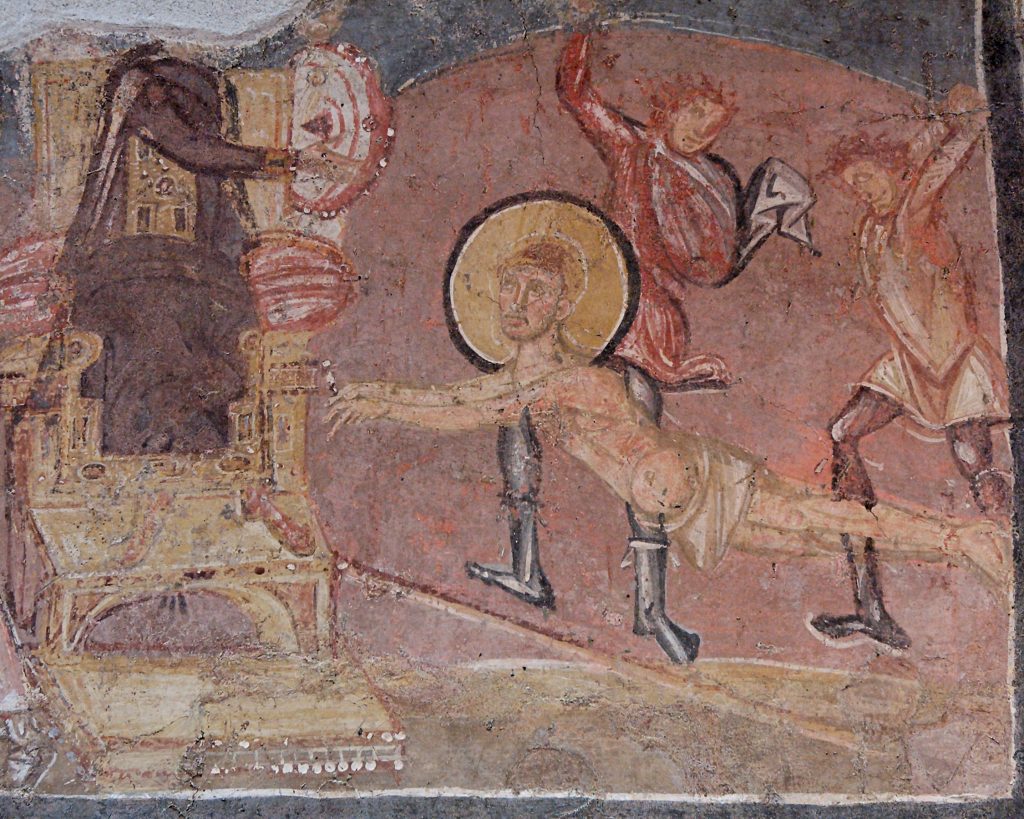
Decian and Diocletianic Persecution
Christians are persecuted across the Roman Empire. The Church deals with questions of apostasy, repentance, and restoration.
3rd Century
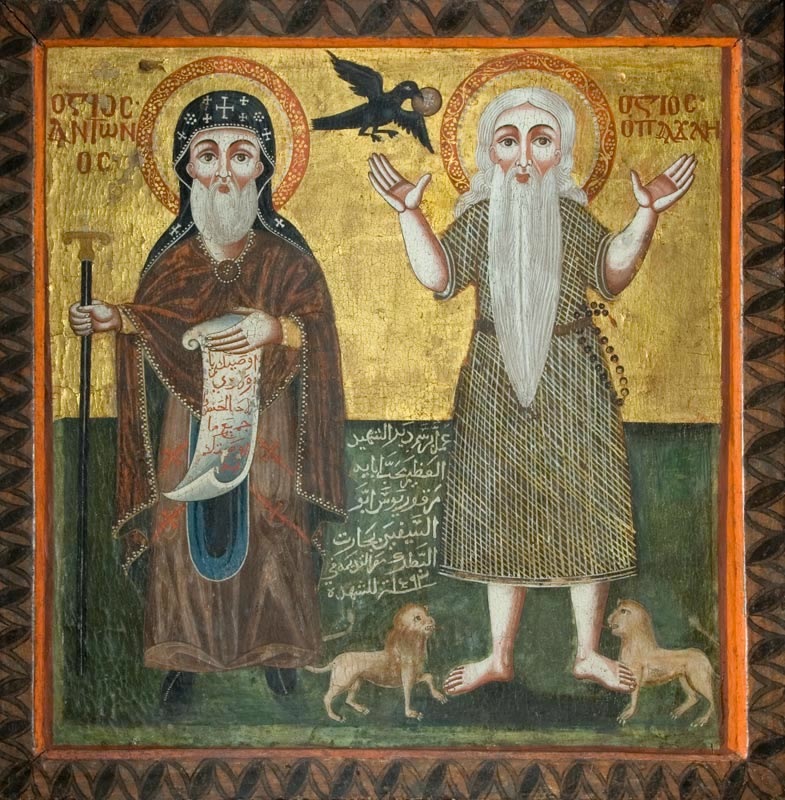
Rise of Monastic Impulses
Before formal desert monasticism, ascetic movements grow in Egypt, Syria, Palestine, and elsewhere.
313
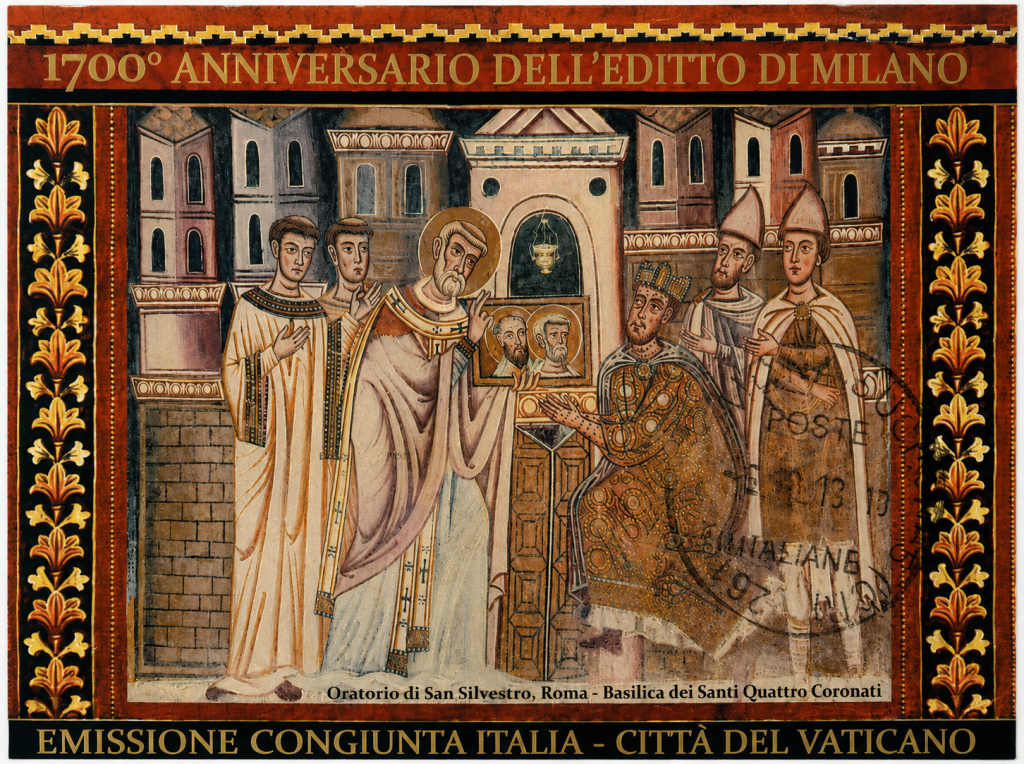
Edict of Milan
Christianity is legalized under Constantine. The Church moves from persecution into public imperial life.
325
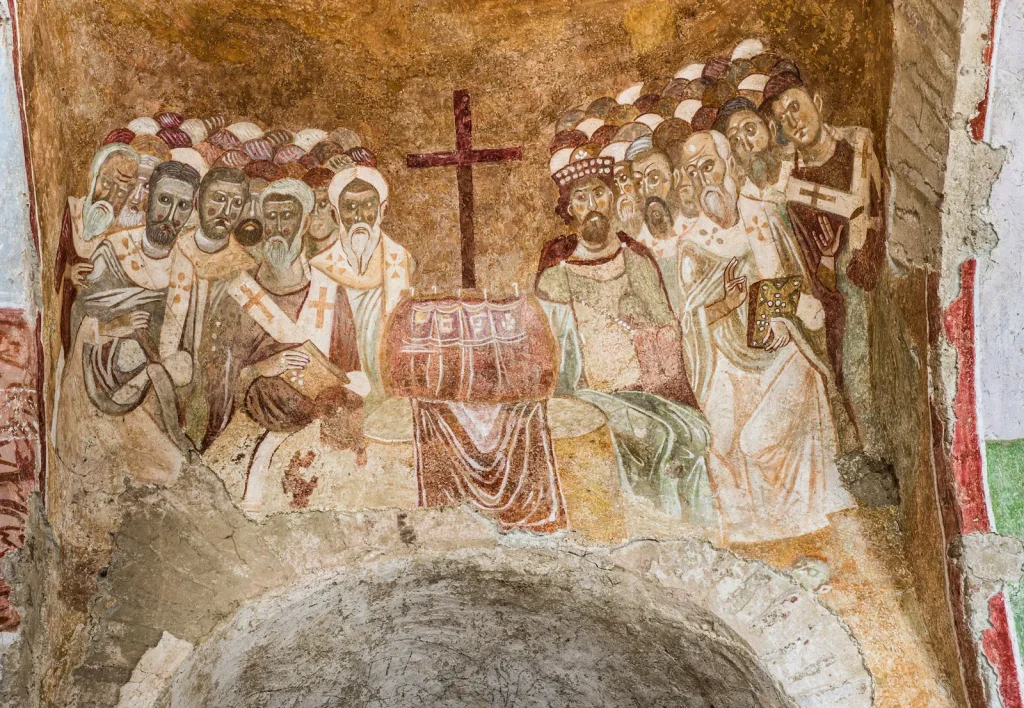
First Council of Nicaea
Arianism is condemned. The Son is confessed as homoousios, “of one essence” with the Father.
328–373
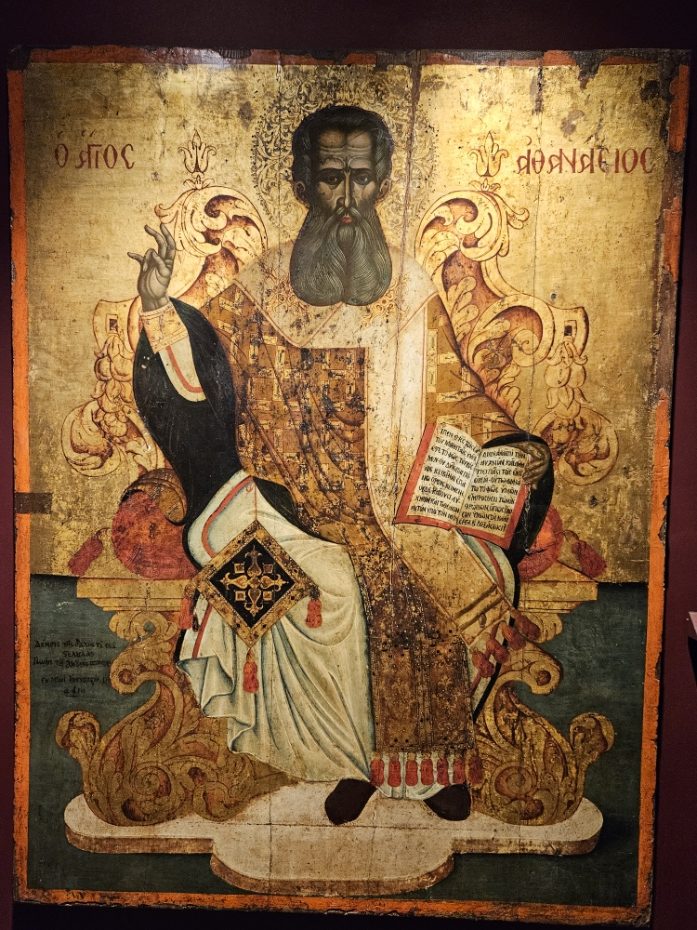
St. Athanasius of Alexandria
Athanasius becomes the great defender of Nicene Orthodoxy against Arianism.
330
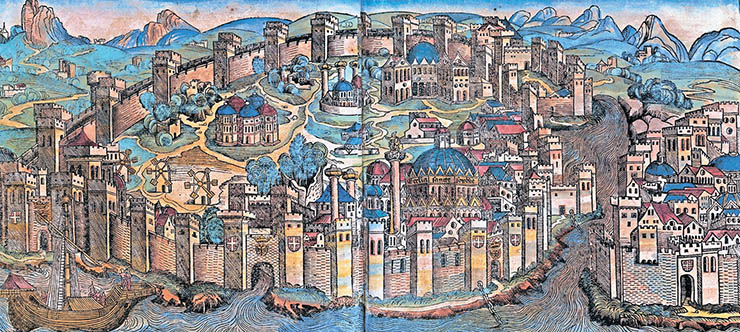
Constantinople Becomes Imperial Capital
The city later rises in ecclesiastical importance, eventually becoming a major point of tension with older apostolic sees.
381
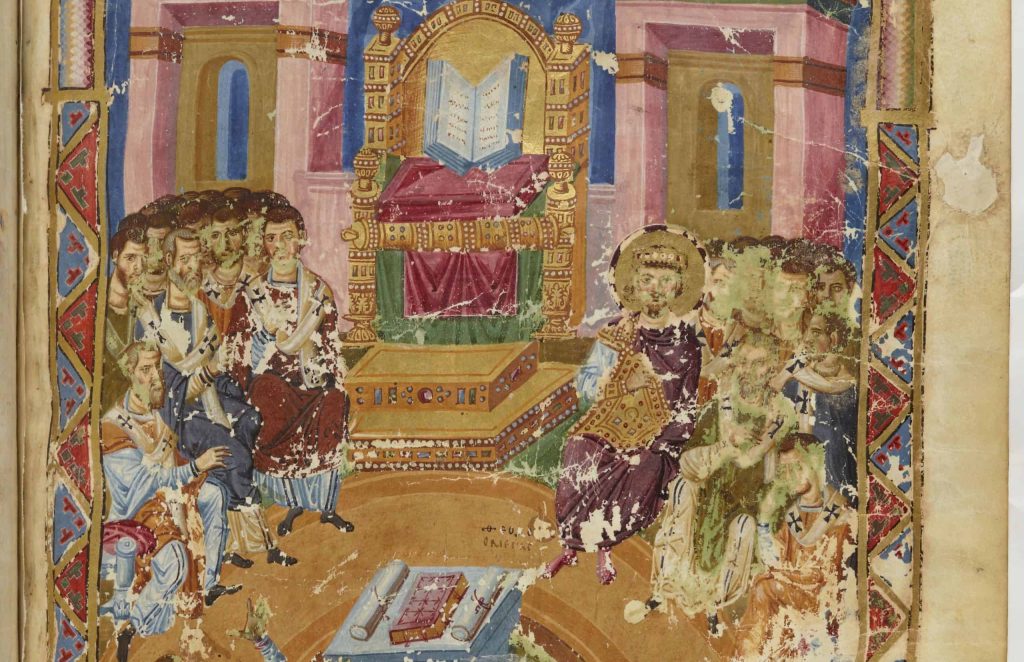
First Council of Constantinople
The Nicene Creed is expanded. The divinity of the Holy Spirit is affirmed.
Late 300s
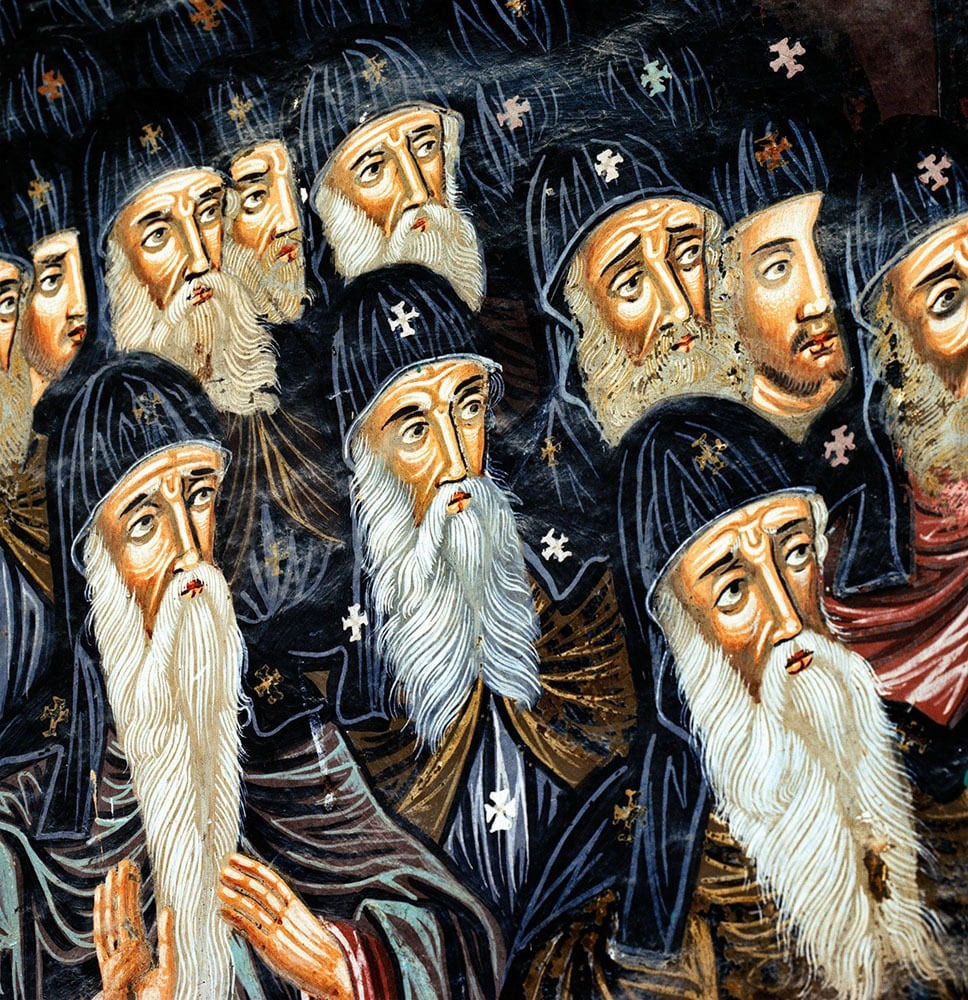
Desert Monasticism Flourishes
Anthony the Great, Pachomius, Macarius, and others shape Egyptian monasticism, deeply revered by both EO and OO.
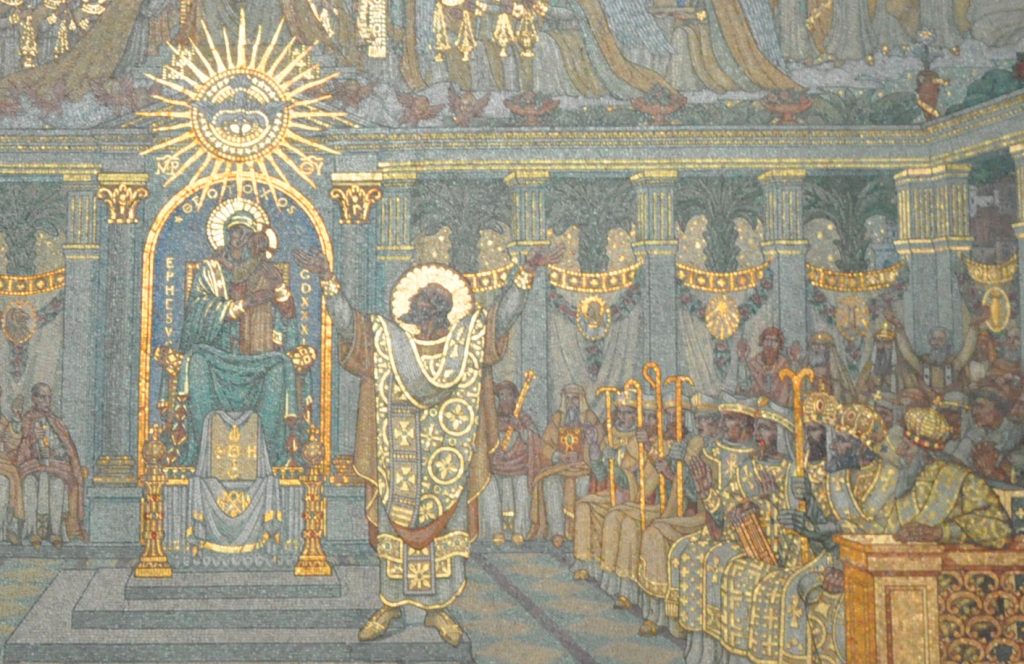
433
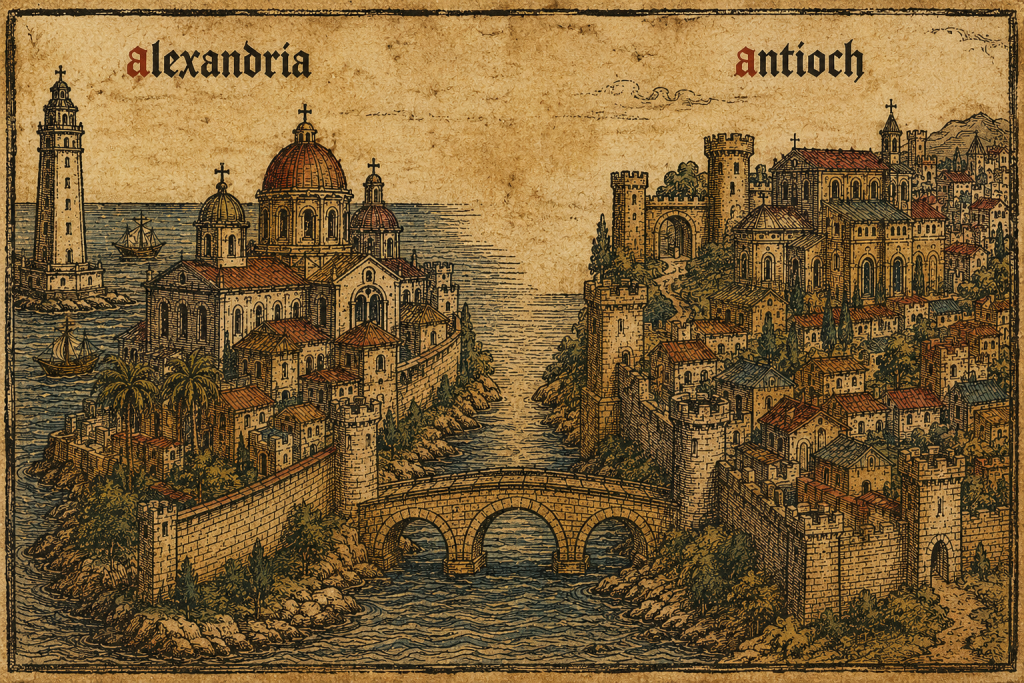
Formula of Reunion
A reconciliation formula attempts to heal tensions between Alexandrian and Antiochian Christological language.
444
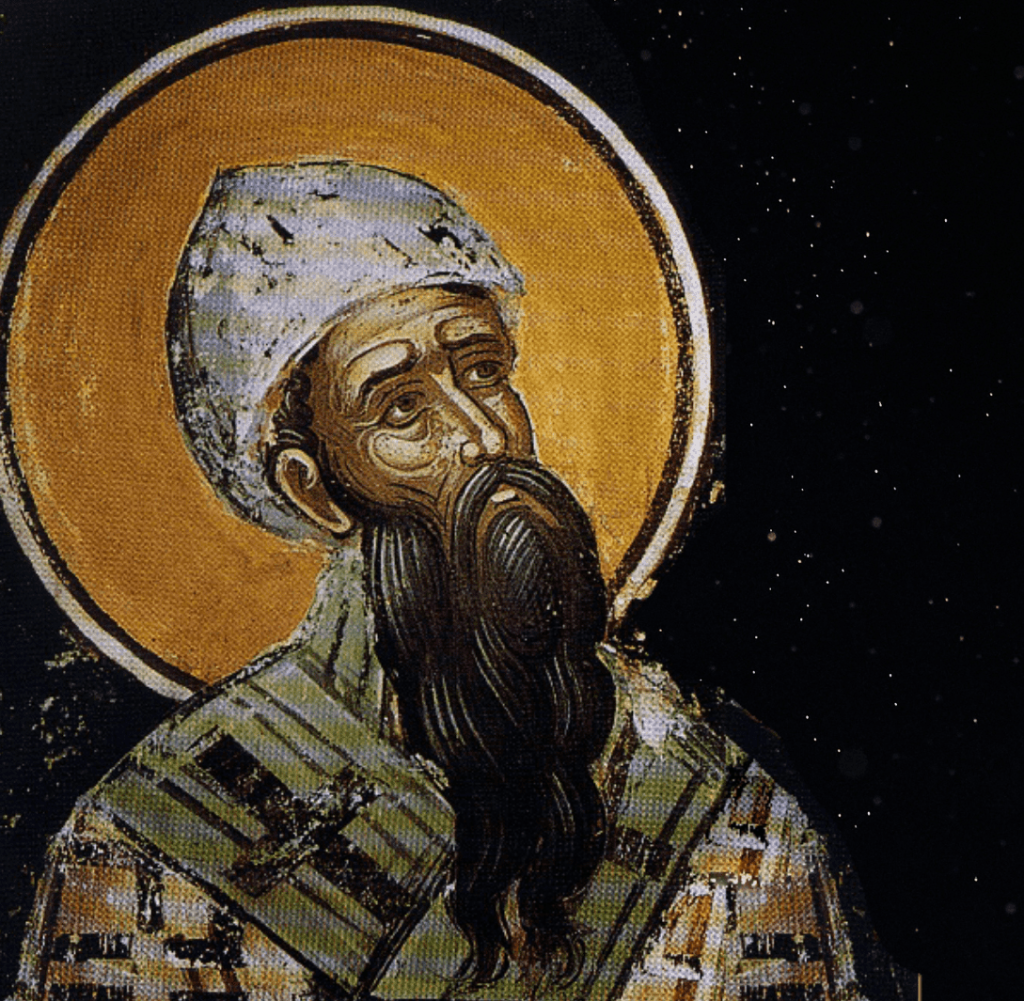
Death of St. Cyril of Alexandria
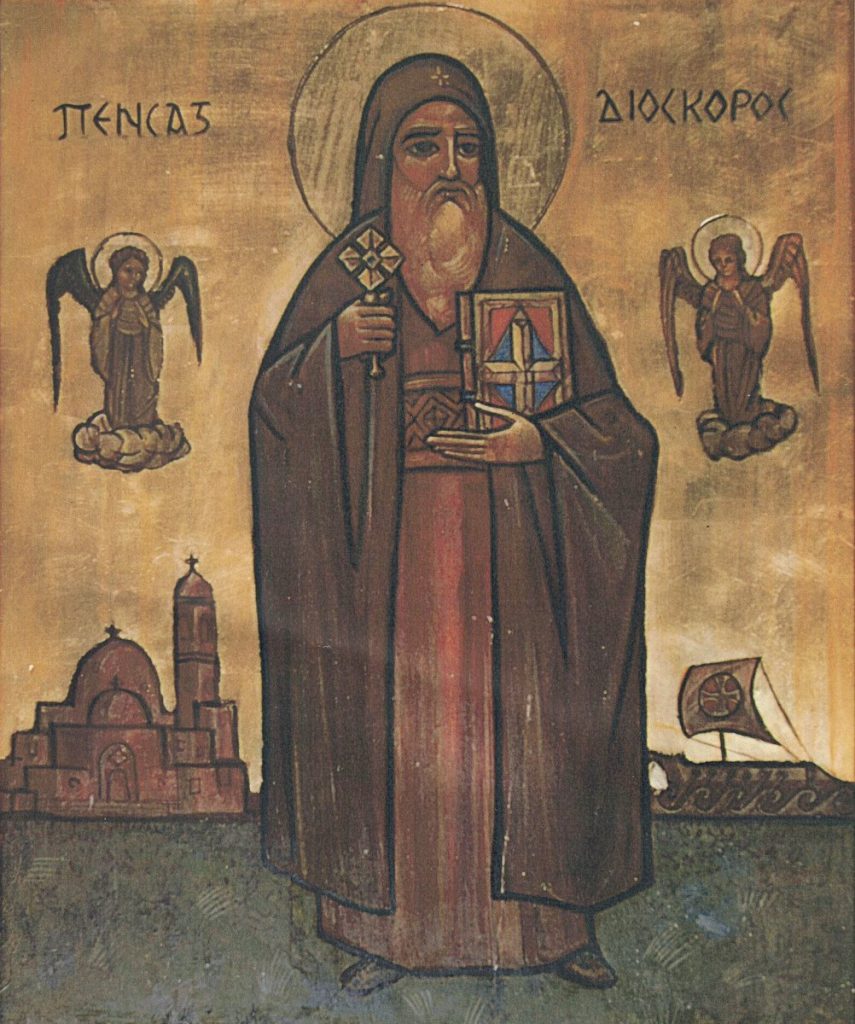
After Cyril’s death, debates intensify over how to speak of Christ’s divinity and humanity. Dioscorus takes Alexandrian episcopate.
451
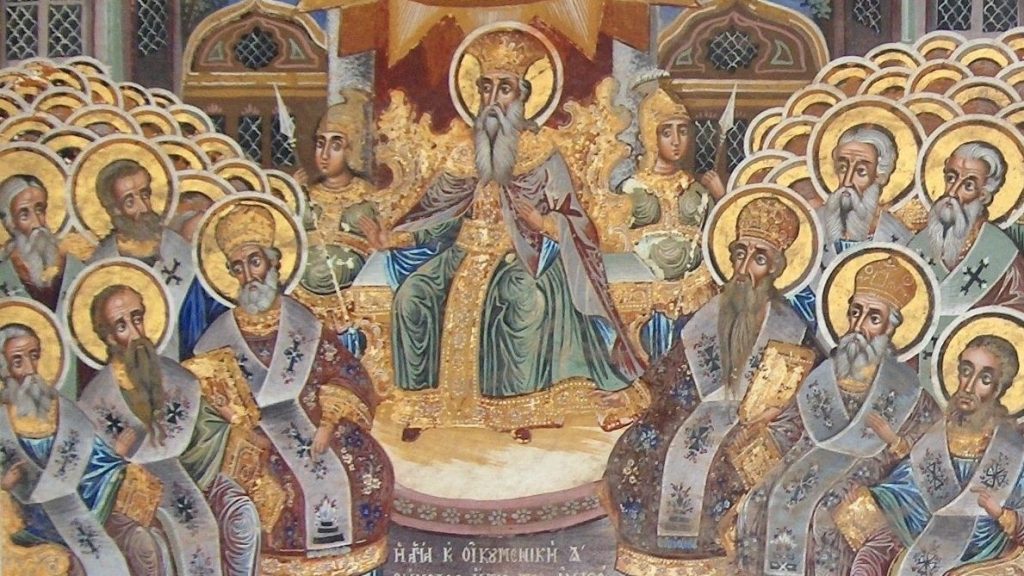
Council of Chalcedon
This is the decisive division point. Eastern Orthodox accept Chalcedon as the Fourth Ecumenical Council, confessing Christ as one Person in two natures, divine and human, “without confusion, change, division, or separation.”
Oriental Orthodox reject Chalcedon, not because they deny Christ’s full humanity, but because they believe Chalcedon’s language risks dividing Christ after the union. They prefer St. Cyril’s formula: one incarnate nature of God the Word — mia physis tou Theou Logou sesarkomene.
July 5, 1994

Amazon is born
Lorem ipsum dolor sit amet, consectetur adipiscing elit. Erat enim res aperta. Ne discipulum abducam, times. Primum quid tu dicis breve? An haec ab eo non dicuntur?
Feb 2, 2020

Amazon Prime debuts
Aliter homines, aliter philosophos loqui putas oportere? Sin aliud quid voles, postea. Mihi enim satis est, ipsis non satis. Negat enim summo bono afferre incrementum diem. Quod ea non occurrentia fingunt, vincunt Aristonem., you can change me anytime click here,
Jan 31, 2021

Amazon acquires Audible
Lorem ipsum dolor sit amet, consectetur adipiscing elit, sed do eiusmod tempor incididunt ut labore et dolore magna aliqua. Ut enim ad minim veniam, quis nostrud exercitation ullamco laboris nisi ut aliquip ex ea commodo consequat.
July 5, 1994
Amazon is born
Lorem ipsum dolor sit amet, consectetur adipiscing elit. Erat enim res aperta. Ne discipulum abducam, times. Primum quid tu dicis breve? An haec ab eo non dicuntur?
Feb 2, 2020
Amazon Prime debuts
Aliter homines, aliter philosophos loqui putas oportere? Sin aliud quid voles, postea. Mihi enim satis est, ipsis non satis. Negat enim summo bono afferre incrementum diem. Quod ea non occurrentia fingunt, vincunt Aristonem., you can change me anytime click here,
Jan 31, 2021
Amazon acquires Audible
Lorem ipsum dolor sit amet, consectetur adipiscing elit, sed do eiusmod tempor incididunt ut labore et dolore magna aliqua. Ut enim ad minim veniam, quis nostrud exercitation ullamco laboris nisi ut aliquip ex ea commodo consequat.